TPU vs Hydrogel Screen Protectors: What’s Different?
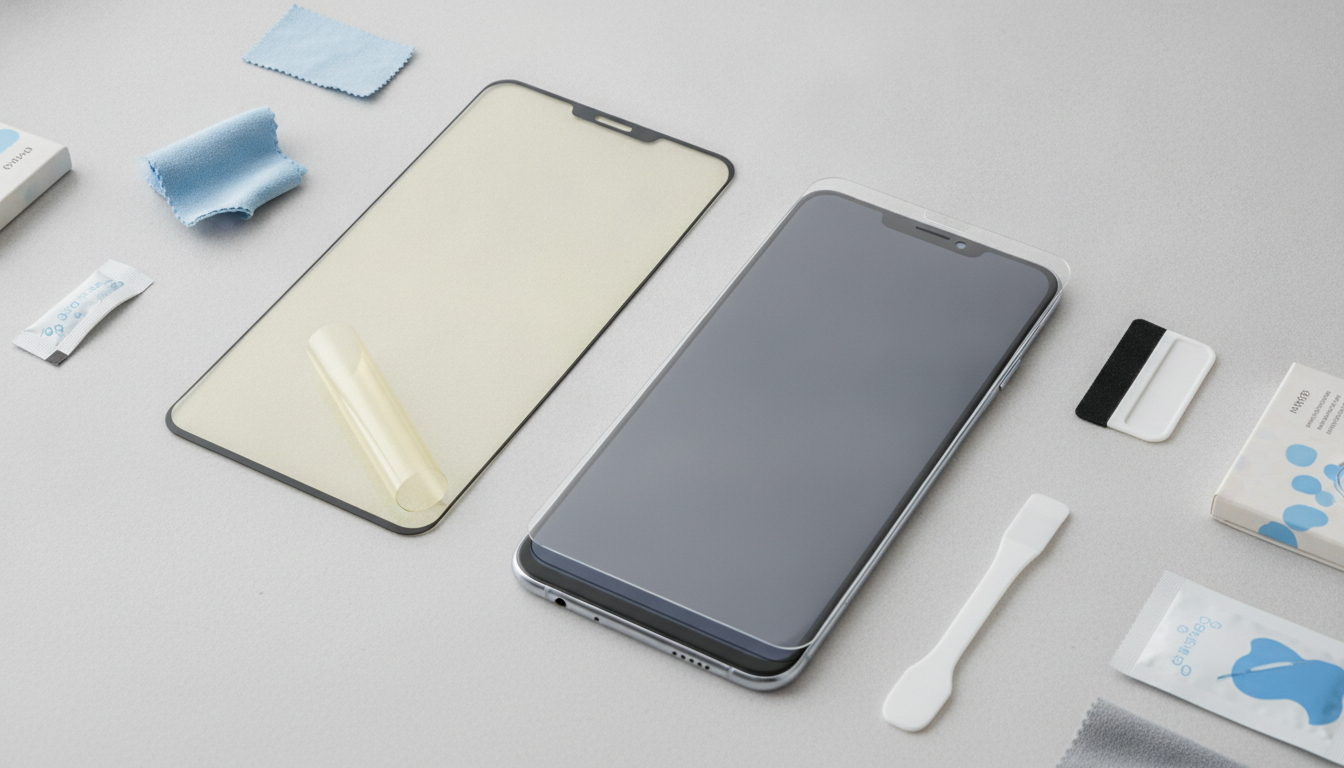
Is TPU the same as hydrogel screen protector?
No. TPU (thermoplastic polyurethane) and hydrogel screen protectors are related in that both are flexible, “film-style” protectors, but they’re made from different materials and behave differently on a phone screen. TPU tends to feel slightly firmer and more rubbery, while hydrogel typically feels softer and more gel-like with a smoother glide.
What’s the practical difference when using them?
Feel and daily swipe comfort
Hydrogel protectors usually deliver a smoother, glass-like finger glide compared to many TPU films, which can feel a bit tackier. If typing and scrolling comfort is a top priority, hydrogel often has the edge.
Scratch resistance vs. impact expectations
Both are mainly designed to reduce scratches and minor scuffs rather than provide the same impact protection as tempered glass. TPU is often a bit more resistant to everyday abrasion, while hydrogel’s self-healing top layer can help light marks fade over time. Neither is a guarantee against hard drops.
Installation and fit
TPU is commonly sold as pre-cut films for specific models and may require a wet installation method. Hydrogel is frequently cut-to-fit and can conform well to curved edges, which is helpful for phones with rounded displays or tricky bezels. Both can form bubbles if installed quickly or on dusty screens, but hydrogel kits often prioritize easier alignment and edge conformity.
Which one should you choose?
Choose TPU if you want a slightly tougher film feel and solid everyday scratch protection. Choose hydrogel if you want a softer touch, better curve coverage, and a more “invisible” look once it settles. For a deeper breakdown and buying tips, visit the full guide here.
For TPU vs Hydrogel Screen Protectors: What’s Different?, the best answer depends on fit, material, care instructions, and how the product will be used day to day.
FAQ
Do hydrogel screen protectors turn yellow over time?
Some can, depending on coating quality and exposure to heat, UV light, and skin oils. Higher-quality hydrogel films with better top coatings are less likely to discolor quickly.







Leave a comment