USB-C to Lightning Cable: Fast Charging for iPhone 12-14
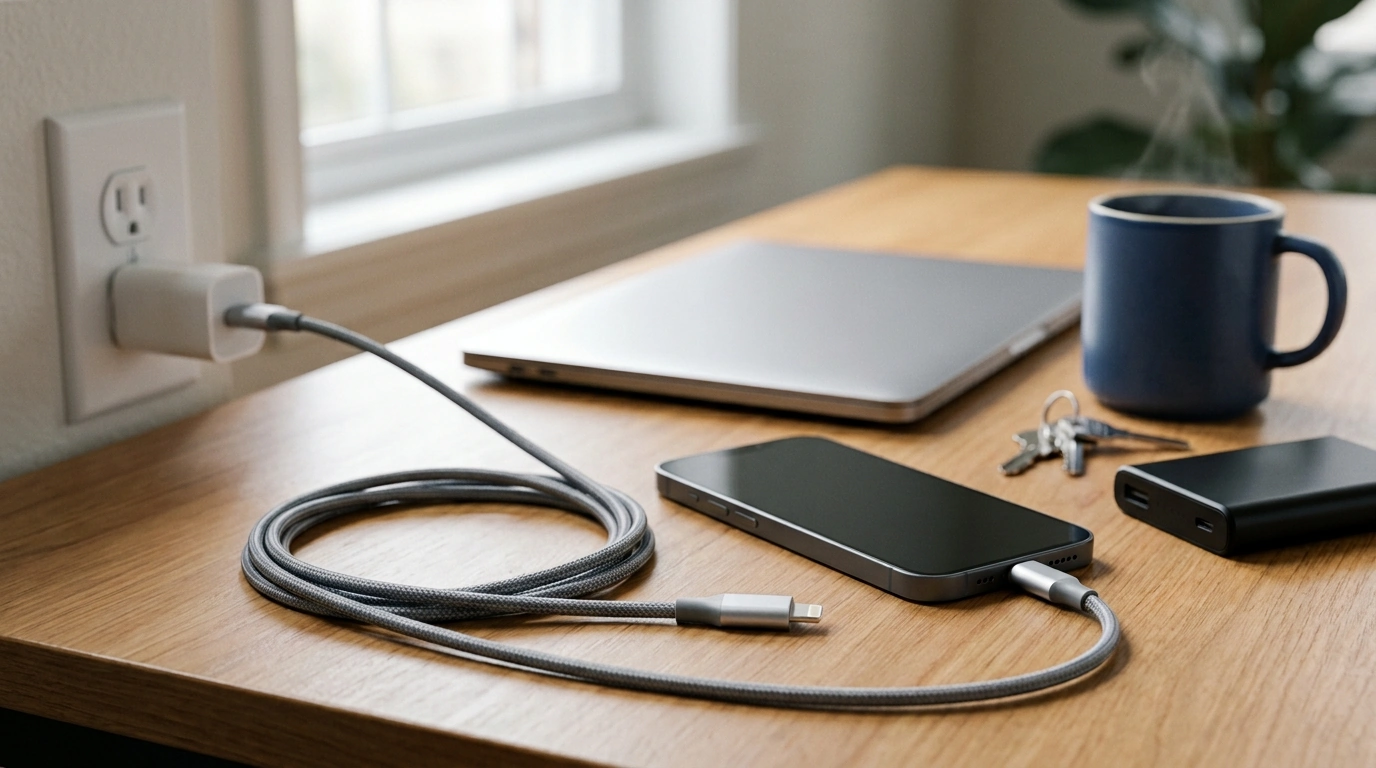
USB‑C to Lightning Fast Charging Cable for iPhone 15/14/13/12: Everyday Charging That Keeps Up
A reliable charging cable matters most when time is tight—at a desk, in the car, or between errands. A USB‑C to Lightning cable pairs modern USB‑C chargers and power banks with Lightning iPhones, delivering quick top-ups and stable data connections when needed. If you’ve upgraded your wall adapters or picked up a newer USB‑C power bank, this is the simple bridge that keeps your iPhone powered without juggling extra dongles or older USB‑A bricks.
What This Cable Is and Who It’s For
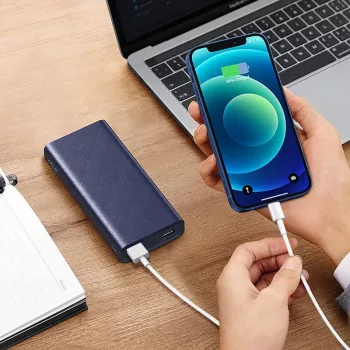
A USB‑C to Lightning cable connects a USB‑C power source to an iPhone that uses a Lightning port. That power source can be a wall charger, a USB‑C laptop port, a power bank, or a car charger—anything with a USB‑C output.
- Connects a USB‑C power source (wall charger, laptop, power bank, car charger) to an iPhone with a Lightning port
- Designed for daily charging, backup charging in a bag, and keeping a spare at work or in the car
- Practical for users upgrading chargers to USB‑C while still using Lightning iPhones
- Works for iPhone 12, 13, 14 and Lightning‑based iPhone 15 variants where applicable; confirm the phone’s port type before purchase
This type of cable is especially useful for households that have a mix of devices—newer iPads, Android phones, or laptops that charge via USB‑C, plus iPhones that still rely on Lightning. One USB‑C charger can serve multiple devices, and the cable determines what plugs into your phone.
Highlights That Affect Real‑World Charging
Small details add up when you’re charging while commuting, navigating with maps, or topping up between meetings. A dependable USB‑C to Lightning connection helps prevent those “charging… not charging… charging” moments that often come from worn connectors or loose fits.
- USB‑C end supports pairing with newer charging bricks and USB‑C PD style adapters (actual speed depends on the charger and the phone)
- Lightning end locks in securely for stable charging during calls, navigation, or streaming
- Useful as a short-notice replacement when a cable frays, charges intermittently, or becomes loose at the connector
- Suitable for keeping multiple locations covered: bedside, office, travel kit, and vehicle
If fast charging is the goal, remember that charging speed is a “system” made of three parts: the charger, the phone, and the cable. The slowest part sets the limit. Pairing the cable with a quality USB‑C wall adapter typically delivers a noticeable improvement over older USB‑A adapters.
Compatibility Checklist Before Buying
Most return headaches come from one mismatch: the iPhone port type or the charger port type. A quick check before ordering saves time.
- Phone port: Lightning is required (many iPhone 15 models use USB‑C; verify before ordering)
- Charger port: USB‑C output is required on the charger/power bank/laptop
- Fast charging needs the right combo: a capable USB‑C charger + compatible iPhone + a quality cable; the slowest link sets the limit
- Case fit: bulky cases can interfere with some connectors; confirm clearance if the case has a narrow cutout
Quick Compatibility and Use Guide
| Item to check | What to look for | Why it matters |
|---|---|---|
| iPhone port | Lightning connector on the phone | Required for the Lightning end to fit |
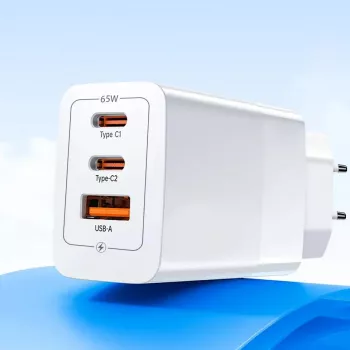
| Charger type | USB‑C wall charger or USB‑C port on power bank/laptop | Enables USB‑C charging and common fast‑charge setups |
| Charging speed | USB‑C PD-capable charger (when supported by device) | Improves charging performance versus older USB‑A bricks |
| Data needs | Occasional syncing to laptop vs. charge-only | Ensures the cable is used appropriately for transfers and backups |
For additional guidance on power adapters and safe charging, Apple’s support resources can help clarify what different USB‑C adapters do and when to troubleshoot charging behavior: Apple Support: About USB‑C power adapters and Apple Support: If your iPhone or iPod touch won’t charge.
Charging Tips That Extend Cable Life
Cables usually fail at stress points near the connectors. A few habits can keep a daily cable in rotation longer—especially if it lives in a pocket, backpack, or center console.
When It’s Time to Replace a Lightning Cable
Product Options Available Now
- USB Type C to Lightning Fast Charging Cable for Apple iPhone 15/14/13/12 (in stock) — a straightforward replacement or backup cable to pair with a USB‑C wall charger or USB‑C power bank.
- Foldable Outdoor Travel Trolley Bag – 88L High-Capacity Camping Luggage (in stock) — a roomy option for travel days when you want chargers, cables, and tech essentials packed in one place.
FAQ
Will a USB‑C to Lightning cable fast charge an iPhone 12/13/14?
It can, as long as you pair it with a compatible USB‑C charger that supports fast charging (often USB‑C Power Delivery). The iPhone and charger negotiate power automatically, and older or lower-output chargers may charge at standard speed.
Does this work with iPhone 15 models?
Only iPhone models with a Lightning port will work with a USB‑C to Lightning cable. Many iPhone 15 versions use USB‑C instead of Lightning, so it’s important to confirm the port type on your exact model before ordering.
Can it be used for data transfer as well as charging?
Yes, USB‑C to Lightning cables commonly support both charging and data syncing between an iPhone and a computer. Transfer behavior and speed can vary by device and setup, especially if you’re using Finder/iTunes workflows for backups.








Leave a comment