Soft Silicone Apple Watch Band: Better Fit, Easy Care
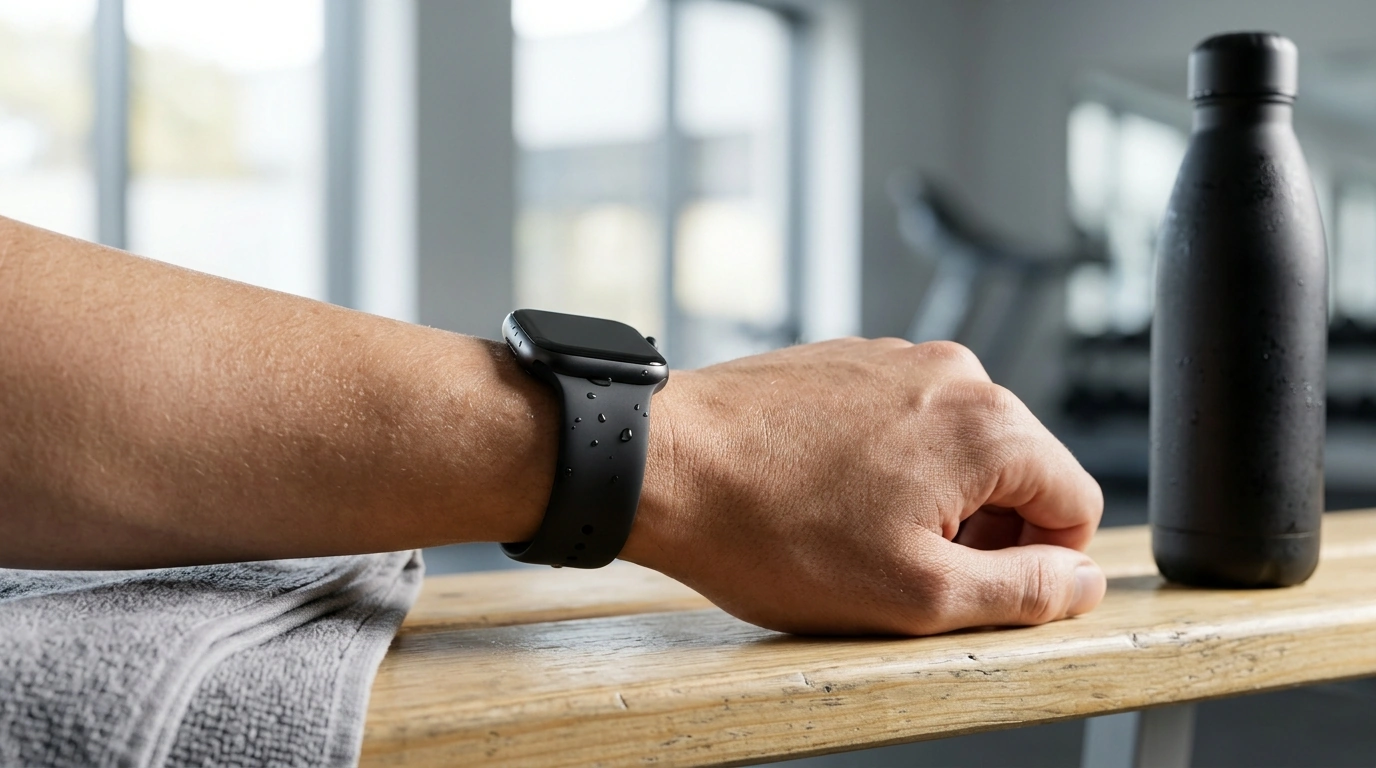
Soft Silicone Band for Apple Watch: Comfortable Everyday Upgrade
A soft silicone band is a practical swap for daily wear—lightweight on the wrist, easy to clean, and comfortable through workouts, commutes, and sleep. Silicone’s flexible feel helps reduce “hot spots” on the wrist, while its water-friendly surface makes it simple to rinse after sweat, rain, or a quick handwash. Below is a clear guide to what to expect from a soft silicone band, how to dial in the fit, and how to keep it feeling smooth over time.
What Makes a Soft Silicone Band Comfortable
Comfort comes down to how the band moves with your wrist and how it behaves when your day gets messy—think sweat, water, and constant motion. Soft silicone bands are popular because they balance cushiony flexibility with a secure hold on the watch.
- Gentle, flexible feel: Softer silicone bends with your wrist, helping reduce pressure points during long wear.
- Smooth surface: A sleek finish can minimize rubbing during movement, especially when typing, lifting, or running.
- Water- and sweat-friendly: Silicone is well-suited for gym sessions, humid weather, rain, and frequent handwashing.
- Quick on/off: It’s easy to swap bands when you want a different look—Apple provides guidance for safe band changes on its support page.
If you’re new to swapping bands, follow Apple’s official steps to avoid scratching the case or misaligning the connector: Apple Support: Change your Apple Watch band.
Fit and Sizing Basics
A great band can still feel “off” if the size or tightness isn’t right. A few small adjustments make a big difference—especially if you wear your watch for workouts or sleep tracking.
- Match connector size to the watch case: Check the engraving on the back of the watch or look in Apple Watch settings for the case size so the connectors fit correctly.
- Aim for snug, not tight: The watch shouldn’t slide around, but the band also shouldn’t leave deep marks or feel like it’s cutting off circulation.
- Tighten slightly for workouts: A firmer fit can help the heart-rate sensor maintain consistent contact; then loosen afterward for everyday comfort.
- If between holes, choose comfort: Especially for sleep tracking, prioritize circulation and a relaxed feel over an extra-tight setting.
For more on improving readings during exercise, Apple’s guidance is helpful: Apple Support: Get accurate heart rate measurements with Apple Watch.
Everyday Use: Work, Workouts, and Sleep
Daily wear (commutes, errands, office)
Silicone is low-drama for everyday life. It’s easy to wipe clean after a subway ride, a dusty walk, or a day outdoors—especially if you tend to brush against bags, jacket cuffs, or desk edges.
Training (running, cycling, strength work)
Sweat resistance is where silicone really shines. After a workout, a quick rinse and dry helps keep the band feeling smooth and prevents buildup that can lead to itchiness. If you do interval training or anything wrist-flex heavy (kettlebells, push-ups), re-check tightness mid-session so the watch stays stable without pinching.
Swimming and water exposure
Silicone typically handles pool and ocean time well. The key is what happens afterward: rinse with fresh water and dry the band to reduce residue (salt, chlorine, sunscreen) that can cling to the surface.
Sleep tracking
Softer bands can feel less bulky at night. Before bed, bend your wrist a few times—if the edge of the band pinches or presses into the wrist bone, loosen by one hole. Comfort matters more overnight than maximum tightness.
Material Comparison at a Glance
If you’re deciding between silicone and other popular band materials, here’s a quick snapshot. Silicone tends to win for low maintenance and all-day comfort, while other materials may be better for breathability or dressier settings.
| Material | Comfort for All-Day Wear | Water/Sweat Friendliness | Care Needs | Best For |
|---|---|---|---|---|
| Soft silicone | High | High | Low | Workouts, daily wear, easy cleaning |
| Nylon (woven) | High | Medium–High | Low–Medium | Hot weather, breathability, casual wear |
| Leather | Medium | Low | Medium–High | Office, dress, low-sweat days |
| Stainless steel/metal links | Medium | Medium | Medium | Dressy looks, durability, long-term wear |
Care and Cleaning That Keeps Silicone Feeling Soft
Silicone stays comfortable when it stays clean. The most common comfort issues—stickiness, odor, and itchiness—usually come from residue (sweat, soap, lotion) rather than the material itself.
Skin Comfort and Safety Tips
Product Snapshot: Soft Silicone Band for Apple Watch
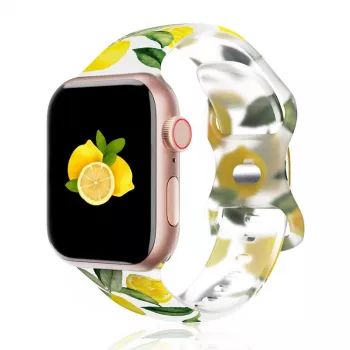
If you want a simple, budget-friendly comfort upgrade, the Soft Silicone Band for Apple Watch is designed for flexible everyday wear and quick cleanup after workouts. Check the product page for current size options and stock availability.
Helpful add-ons for your Apple setup
- USB Type C to Lightning Fast Charging Cable for Apple iPhone 15/14/13/12 for fast, convenient charging at home, work, or in a travel bag.
- Floral Luminous Silicone Case for Apple AirPods Pro to help protect earbuds from scratches and daily knocks.
FAQ
How do you clean a silicone Apple Watch band without making it sticky?
Wash it with lukewarm water and mild soap, then rinse thoroughly and dry completely. Stickiness is often caused by leftover soap, lotion, or sweat residue that wasn’t fully rinsed away.
Can a silicone band be worn for swimming or showering?
Silicone generally handles water well, but it’s best to rinse with fresh water afterward and dry the band. This helps reduce chlorine, salt, or product residue that can irritate skin over time.
Why does a silicone band sometimes cause skin irritation?
Irritation is commonly linked to trapped moisture, sweat, soap residue, or a too-tight fit. Cleaning and drying the band and loosening the fit usually helps; if irritation continues, stop wearing it and seek medical advice.







Leave a comment