Break the Tension: 1–10 Minute Stress Reset Methods
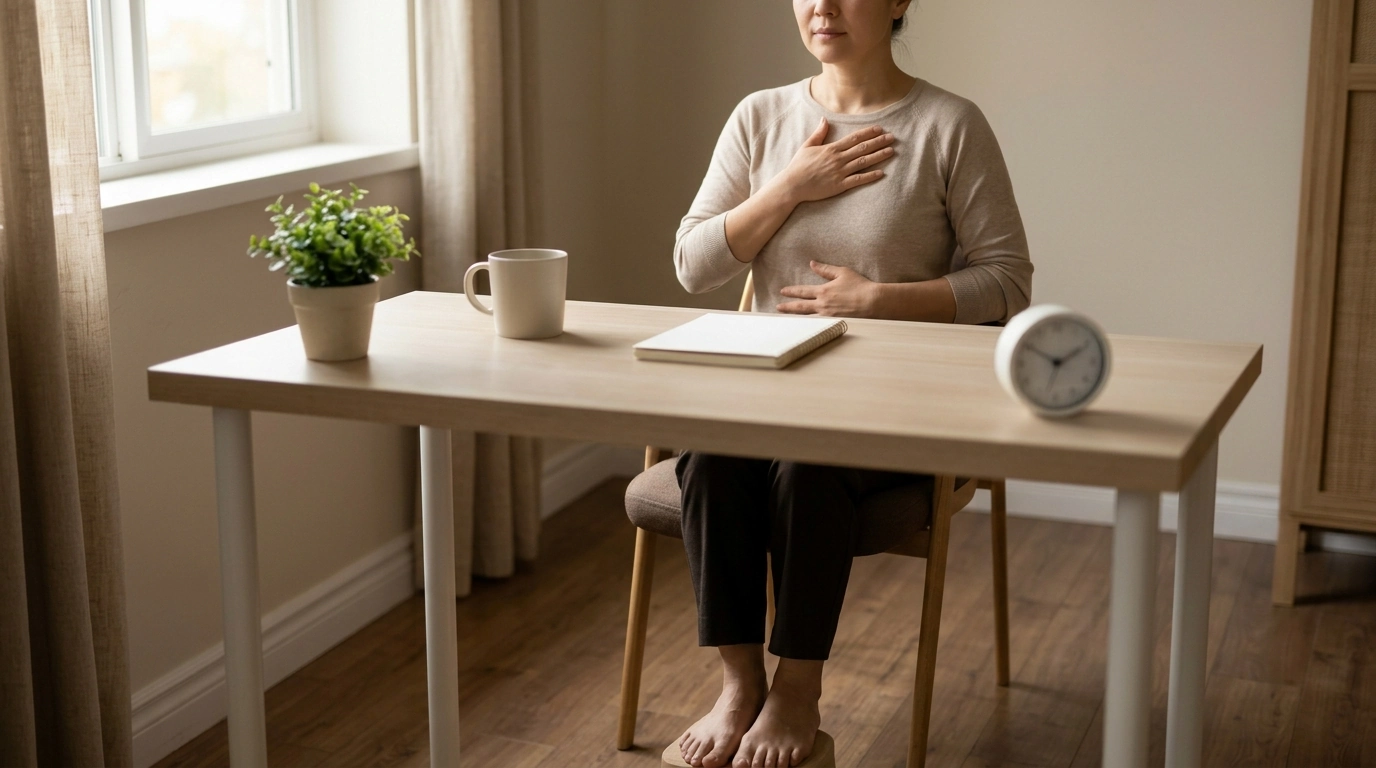
Break the Tension: Fast Ways to Calm Your Body, Clear Your Mind, and Reset Your Day
Stress often shows up as tight shoulders, a racing mind, shallow breathing, and a constant sense of being behind. The fastest relief usually comes from short, repeatable “micro-resets” that downshift your nervous system, bring attention back to the present, and reduce overload with a few simple planning moves. The techniques below are designed to work in 1–10 minutes—at a desk, in the car (parked), between meetings, or at home.
Recognize the early signs of building tension
Catch stress early and it’s much easier to unwind. Look for patterns across your body, thoughts, and habits—then run a quick reset before deciding what to do next.
- Body signals: clenched jaw, forehead tension, chest tightness, stomach fluttering, headaches, restless legs, shallow breaths.
- Mind signals: repetitive thoughts, catastrophizing, irritability, trouble focusing, decision fatigue.
- Behavior signals: scrolling, snacking, procrastination, snapping at others, avoiding messages.
- Quick check-in: rate tension from 0–10, notice where it sits, and choose one technique to run for 2 minutes before deciding what to do next.
Breathing exercises that calm fast
Breath is a direct lever for shifting your state. If you want a reliable starting point, prioritize a longer exhale and aim for comfort over perfect counts.
- Physiological sigh (30–60 seconds): inhale through the nose, top it off with a second short inhale, then exhale slowly through the mouth; repeat 2–4 times to reduce “air hunger” and soften tension.
- Extended exhale breathing (2 minutes): inhale 4 seconds, exhale 6–8 seconds; keep the exhale longer than the inhale to encourage relaxation.
- Box breathing (3–5 minutes): inhale 4, hold 4, exhale 4, hold 4; helpful when thoughts feel scattered and structure steadies you.
- If dizziness happens: reduce the count and breathe normally for a moment; comfort and steadiness matter more than timing.
| Situation | Technique | How long | What to focus on |
|---|---|---|---|
| Heart racing, can’t slow down | Physiological sigh | 30–60 sec | Long, easy exhale |
| Overwhelmed and tight-chested | Extended exhale (4 in / 6–8 out) | 2–3 min | Let shoulders drop on each exhale |
| Need composure before a call | Box breathing | 3–5 min | Count steadily; soften jaw |
| Feeling sleepy but stressed | Gentle nasal breathing | 1–2 min | Small, quiet breaths; relaxed belly |
Quick meditations for a mental reset (1–10 minutes)
Meditation doesn’t need a perfect setup. The goal is a brief shift: from being inside the swirl of thoughts to observing it with a little more space.
- One-minute anchor: set a timer for 60 seconds; feel the breath at the nostrils or chest; when the mind wanders, return without judgment.
- 3-minute body scan: move attention from forehead → jaw → shoulders → hands → belly → legs; release one area on each exhale.
- Noting practice (2–5 minutes): label what shows up—“thinking,” “planning,” “worrying,” “hearing”—and return to the breath; helps loosen repetitive loops.
- Loving-kindness micro version (2 minutes): repeat silently, “May I be steady. May I be safe. May I be at ease,” then extend to someone else if helpful.
Grounding techniques to come back to the present
Grounding is a fast way to signal safety to your system by orienting to what’s real and measurable right now.
Time management moves that prevent stress from returning
Put it together: a simple 7-minute “break the tension” routine
Tools that make micro-resets easier (quick picks)
- Break the Tension: Stress Relief Techniques – Breathing Exercises, Quick Meditations, Grounding Techniques, and Time Management Tips to Reduce Stress (a structured guide you can return to when your brain feels overloaded).
- USB Type C to Lightning Fast Charging Cable for Apple iPhone 15/14/13/12 (useful if calming audio, timers, or notes are part of your routine and you don’t want battery anxiety adding stress).
- Compact Storage Box for Apple Pencil Tips (handy if you journal or plan on a tablet and want fewer “where did I put it?” moments).
When stress feels unmanageable
Extra support can make a real difference if stress causes persistent sleep disruption, panic symptoms, ongoing hopelessness, or interferes with daily functioning. Immediate help is important if there are thoughts of self-harm or feeling unsafe—reach local emergency services or a trusted crisis line. For additional guidance on stress and coping, visit the American Psychological Association’s stress resources, the Mayo Clinic overview of meditation for stress, or the National Institute of Mental Health coping information.
FAQ
What is the fastest breathing technique for immediate stress relief?
The physiological sigh is often the quickest: inhale through your nose, take a second small “top-up” inhale, then exhale slowly through your mouth; repeat 2–4 times (about 30–60 seconds). If you prefer something steadier, do extended-exhale breathing for 1–2 minutes (4 seconds in, 6–8 seconds out) and keep it comfortable.
How many minutes of meditation are needed to feel calmer?
Even 1–3 minutes can help, especially if you do it consistently. Try a one-minute breath anchor or a 3-minute body scan and treat each return to the breath as the reset.
What can be done to stop stress from coming back after calming down?
Pair your nervous-system reset with a tiny planning move: choose one next action, time-block a short focus session, and add buffers between commitments. An end-of-day “closure” note (tomorrow’s top three plus first steps) reduces open loops that re-trigger stress.












Leave a comment