Apple Pencil USB-C Grip Holder Case: Comfort & Control
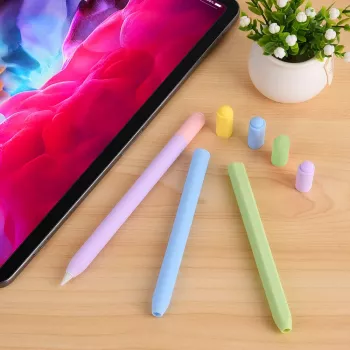
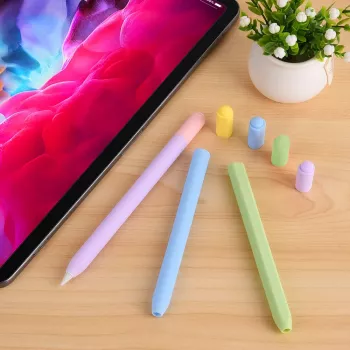
Apple Pencil USB‑C Silicone Grip Holder Case: Comfort, Control, and Everyday Protection
A silicone grip holder case can make an Apple Pencil (USB‑C) easier to hold for long sessions, less slippery during quick notes, and better protected from small drops and desk dings. The right design adds comfort without blocking charging, pairing, or the tip’s precision—so you can focus on writing, sketching, or marking up documents instead of adjusting your grip every few minutes.
What a silicone grip holder case changes in daily use
Using an Apple Pencil bare is sleek, but it can feel slick—especially on smooth tablet stands or when your hands are warm. A silicone sleeve subtly changes the ergonomics and the “grab” of the stylus in ways that show up fast during real use.
- More comfortable posture: A softer surface and slightly larger diameter can ease finger pinch and reduce fatigue during longer notes or drawing sessions.
- Less slipping: Silicone texture helps when your grip gets sweaty or when you’re picking the Pencil up quickly from a stand, desk, or folio.
- Light impact buffering: A sleeve can absorb minor bumps—like tapping keys in a bag, scraping against zippers, or rolling into other accessories.
- Cleaner day-to-day handling: Less direct contact with the Pencil body helps reduce visible smudges from skin oils, which is useful for shared devices.
- Anti-roll stability: Many designs add a small ridge or “holder” shape so the Pencil is less likely to drift off a table.
Apple Pencil 3 USB‑C Silicone Grip Holder Case: overview
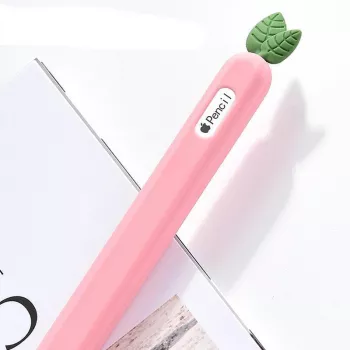
The Apple Pencil 3 USB-C Silicone Grip Holder Case is a simple upgrade that prioritizes grip feel and everyday practicality. It’s a lightweight silicone sleeve—more about comfort and confidence than heavy-duty armor—making it a solid match for students, note-takers, and artists who switch between quick edits and longer work sessions.
- Secure, soft feel: Improves control for writing, outlining, and sketching without adding much weight.
- Easy to keep as a spare: Budget-friendly enough to stash one in a backpack, pencil pouch, or desk drawer.
- Designed for daily routines: Best results come from confirming the exact Apple Pencil (USB‑C) fit and ensuring openings align with charging and tip access.
Quick specs to confirm before buying
| Check | Why it matters | What to look for |
|---|---|---|
| Model fit | Avoids loose sleeves or blocked features | Compatibility with Apple Pencil (USB‑C) |
| Charging access | Prevents removing the case constantly | Unobstructed access for USB‑C charging or magnetic attachment (if applicable) |
| Tip clearance | Protects writing accuracy | No interference near the nib area |
| Anti-roll/holder shape | Stops desk drops | Flat edge, ridge, or subtle holder feature |
| Thickness/feel | Comfort without bulk | Soft, grippy silicone that doesn’t feel tacky |
Comfort and control: who benefits most
A grip sleeve isn’t only for artists. It helps anyone who spends real time writing with an iPad—especially when comfort and repeatable line control matter more than having a bare-metal feel.
- Long note sessions: Added diameter can reduce finger strain compared with a thin stylus body.
- Drawing and shading: A steadier hold can improve slow strokes, crosshatching, and detail work.
- Fast tool switching: Texture makes quick pick-ups more reliable when the Pencil rests on a stand or desktop.
- Shared classroom/office devices: Silicone can be easier to wipe down and helps reduce cosmetic wear from many hands.
- Sensitivity to cold aluminum: Silicone offers a warmer, softer touch—nice in colder rooms or long study sessions.
Protection basics: what it does (and doesn’t) protect
A silicone grip holder case is best viewed as “everyday protection.” It helps with the little impacts that happen constantly—while still keeping the Apple Pencil slim and pocketable.
- Helps prevent scratches and scuffs: Especially from desk grit, key rings, zippers, and tight pouches.
- Reduces minor drop impact: A short fall can still be risky, but silicone may absorb part of the shock on the body.
- Not a replacement for hard protection: Repeated drops can still damage the Pencil or tip—especially on hard floors.
- Limited tip protection: The nib remains exposed and is a wear item; keep a spare tip strategy.
- Cutouts matter: If silicone is too thick near charging/attachment points, you’ll end up removing it often.
For tip organization and quick swaps, pairing a grip with a small accessory like the Compact Storage Box for Apple Pencil Tips can keep replacements clean and easy to find.
Fit and charging: preventing the common annoyances
If your daily carry includes a charging cable in the same pouch, keeping a reliable spare like the USB Type C to Lightning Fast Charging Cable for Apple iPhone 15/14/13/12 can help streamline device charging alongside your iPad setup.
Care and cleaning for silicone grips
Simple setup: getting a snug, straight fit
Compatibility notes and official references
Before buying any Apple Pencil accessory, it’s smart to double-check compatibility with your iPad and Pencil model. Apple’s official resources are the most reliable starting point: Apple Support — Apple Pencil compatibility and Apple Support — Use Apple Pencil with iPad.
FAQ
Will a silicone grip holder case affect Apple Pencil charging or pairing?
It shouldn’t as long as the sleeve has proper cutouts and doesn’t add too much thickness around charging or attachment areas. Confirm clear access to USB‑C charging and any attachment method used with your setup.
Does a silicone grip change writing accuracy or pressure sensitivity?
A well-fitted grip shouldn’t affect accuracy or sensitivity because it sits on the Pencil body, not the nib. If strokes feel inconsistent, the sleeve may be rubbing near the tip or shifting during use.
How do you clean a silicone Apple Pencil grip without damaging it?
Wash it with mild soap and water, rinse thoroughly, and let it air-dry completely before reinstalling. Avoid harsh solvents or abrasive cleaners that can break down the silicone finish.







Leave a comment